
The Thrill of Chance
The thrill of chance is one of the most compelling reasons people are drawn to gambling. The uncertainty of not knowing whether one will win or lose creates a unique adrenaline rush that is hard to replicate in everyday life. This unpredictability is amplified within the vibrant atmosphere of casinos, where the sounds of spinning slots and clinking chips heighten the sense of excitement. For many, the experience of risking a small amount of money for the possibility of a significant payout feels like a thrilling adventure that taps into the fundamental human attraction to risk-taking, especially when exploring online casino nz options that offer diverse games and experiences.
Moreover, the psychological aspect of chance can be incredibly appealing. Gamblers often find themselves caught in a cycle of risk-taking, driven by the hope that their luck will eventually turn. The belief in a ‘lucky streak’ or the idea that one is due for a win can become a powerful motivator. This mindset can sometimes lead to a temporary escape from reality, allowing individuals to immerse themselves in the moment, free of daily stresses and concerns. In this context, gambling becomes more than just a game; it transforms into a source of excitement and anticipation.
Interestingly, this allure is not only experienced by seasoned gamblers but also entices newcomers. The vibrant environment of casinos offers an intoxicating mix of excitement, strategy, and social interaction, making it an attractive destination for those seeking both entertainment and the chance to win. Through the thrill of chance, many find a captivating escape that keeps them coming back for more, as each visit can bring the possibility of an unforgettable experience.
Social Interaction and Camaraderie
An important aspect of gambling is the social component it offers. Casinos are not merely places where money is exchanged; they are vibrant social hubs where people gather to experience shared excitement. The camaraderie that develops over a poker table or during a game of roulette can create lasting bonds and friendships. This social aspect is especially appealing to those who enjoy connecting with others in a lively environment, making gambling a communal activity rather than just a solitary endeavor.
Many individuals find that the shared thrill of winning or losing enhances the overall experience. Engaging with friends or fellow players adds layers of enjoyment and can make the bouts of chance feel less isolating. The collective excitement often leads to discussions about strategies and experiences, fostering a sense of belonging within the gambling community. For some, this social engagement becomes as significant as the gambling itself, making casinos a popular destination for social outings where people can unwind and enjoy each other’s company.

Special events or tournaments at casinos also draw in crowds, providing opportunities for interaction and competition. These events create an electrifying atmosphere and further strengthen the social bonds among participants. Whether it’s an impromptu game among friends or a structured tournament, the social interaction inherent in gambling enhances the allure of casino experiences, making them memorable and fostering a culture of shared excitement.
The Glamour and Escape of Casino Culture
The atmosphere of a casino exudes a sense of glamour and luxury, often portrayed in movies and popular culture. The allure of opulence, with stunning decor and elaborate entertainment options, draws people in. Many visitors see casinos as a means of escaping the mundane aspects of life, providing a taste of extravagance that feels tantalizingly out of reach in their everyday routines. The ability to dress up and indulge in a night filled with lights, sounds, and the potential for fortune adds to this enchanting escape.
Additionally, the world of casinos often embodies the fantasy of wealth and success. The image of a high roller winning big at a blackjack table can inspire hope and dreams of a life filled with luxury. For some, gambling becomes a way to experience these fantasies, even if only temporarily. The reality of potentially hitting a jackpot allows individuals to visualize a life transformed by unforeseen riches, adding to the allure that keeps them engaged and hopeful for a brighter future.
This escape can also be therapeutic. People may turn to casinos to decompress from daily stresses or as a means of celebration. The vibrant atmosphere creates an environment where individuals can let loose and relish in an experience separate from their responsibilities. In many cases, the combination of escapism and the fantasy of wealth results in a powerful draw towards the casino lifestyle, making it a popular choice for those seeking a break from their routines.
The Psychological Factors Behind Gambling
The psychological motivations behind gambling are complex and varied. Many individuals experience a rush of dopamine—the brain’s chemical associated with pleasure—when they engage in gambling activities. This response can lead to addictive behaviors, as the mind seeks to replicate that euphoric feeling time and again. Understanding this connection helps explain why gambling can quickly move from a casual pastime to a more serious issue for some individuals. Casinos are strategically designed to capitalize on these psychological triggers, further enhancing the gaming experience with enticing rewards and immersive environments that keep players coming back.
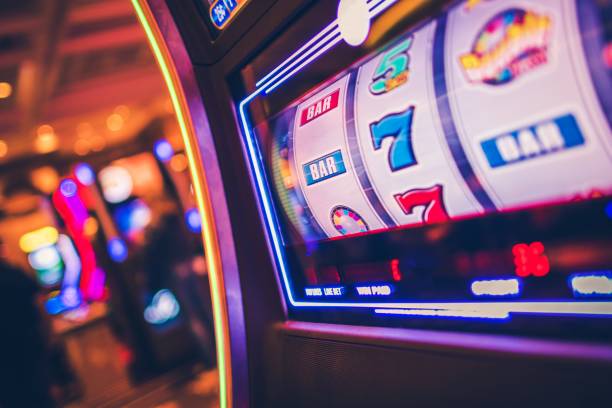
Another significant factor is the concept of loss aversion, which is the tendency for individuals to prefer avoiding losses rather than acquiring equivalent gains. This principle often leads gamblers to continue playing to recover losses, believing that a win is just around the corner. This behavior can render the casino environment addictive, as players chase the feeling of reclaiming their losses, sometimes at the expense of sound judgment and financial stability. Understanding this dynamic is crucial for recognizing the potential pitfalls associated with gambling.
Additionally, the role of cognitive biases cannot be overlooked. Gamblers often underestimate the odds of losing, overestimate their own skill, or believe in the ‘gambler’s fallacy’—the mistaken belief that past events influence future outcomes. These cognitive distortions can keep players engaged longer than they intended, contributing to the allure of gambling. By examining these psychological factors, we gain insight into the intricacies of why people are compelled to gamble, revealing the deeper motivations that drive their behavior.
Your Source for Gambling Insights
For those seeking to explore the world of gambling further, there are ample resources available. Websites can provide in-depth insights into the psychology, strategies, and cultural aspects surrounding gambling. Understanding the nuances of this activity can help individuals make informed decisions, whether they are casual players or those seeking a deeper engagement. By learning about responsible gambling practices and the dynamics of casino environments, players can enhance their experience while minimizing potential pitfalls associated with gambling.
Additionally, online platforms often feature forums and communities where individuals can share their experiences, tips, and insights. Engaging with such resources fosters a more profound understanding of gambling and its various elements, from psychological motivations to effective strategies. As the gambling landscape continues to evolve, staying informed and connected can be a valuable asset for any enthusiast, allowing them to navigate the complexities of this captivating world.
Overall, the exploration of gambling through these resources allows individuals to appreciate not only the allure of casinos but also the responsibility that comes with engaging in such activities. Whether for entertainment, socialization, or the excitement of chance, understanding the broader context of gambling is paramount for a fulfilling and responsible experience that balances enjoyment with awareness of potential risks.
